
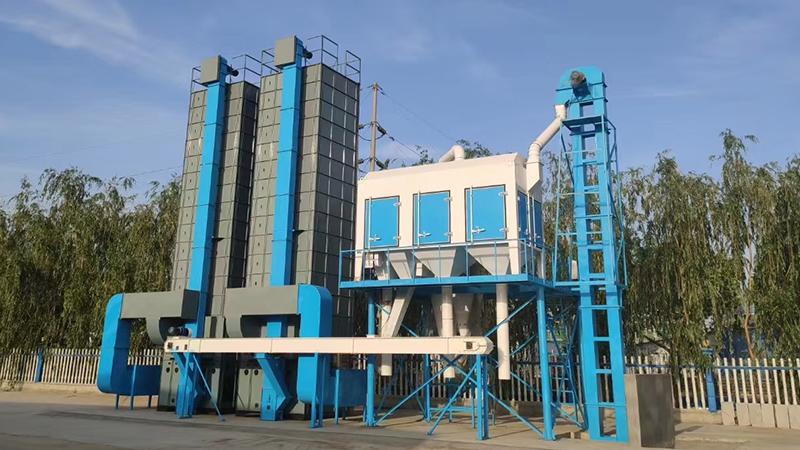
Choosing the right wheat scalping sieve size is not simply a matter of matching a screen opening to an average wheat kernel. The sieve needs to let acceptable wheat pass while retaining the oversized impurities you actually want to remove.
In practice, the final opening depends mainly on four factors: wheat size range, target impurity size, impurity level, and required throughput.
This guide explains how to define a practical separation point, how sieve opening affects capacity, and what information should be checked before the final screen is produced.
What Determines the Right Wheat Scalping Sieve Size?
For scalping, acceptable wheat passes through the screen while oversized material remains above it and is discharged separately.
The key is deciding where that separation boundary should be.
Check the Acceptable Wheat Size Range
Do not select a sieve from an average wheat dimension alone.
Kernel size varies with variety, growing conditions, moisture, and crop quality. Even within one batch, some sound kernels will be larger or thicker than others.
Use a representative raw-wheat sample and check:
- the normal range of sound kernel sizes;
- larger acceptable kernels that still need to pass;
- kernel width and thickness;
- moisture and general crop condition.
The objective is to make sure the selected opening does not unnecessarily restrict good wheat.
Identify the Oversized Impurities
Next, define exactly what the scalper needs to retain.
Typical oversized contaminants may include straw, sticks, large clods, corn cobs, large stones, and compacted or mouldy grain lumps.
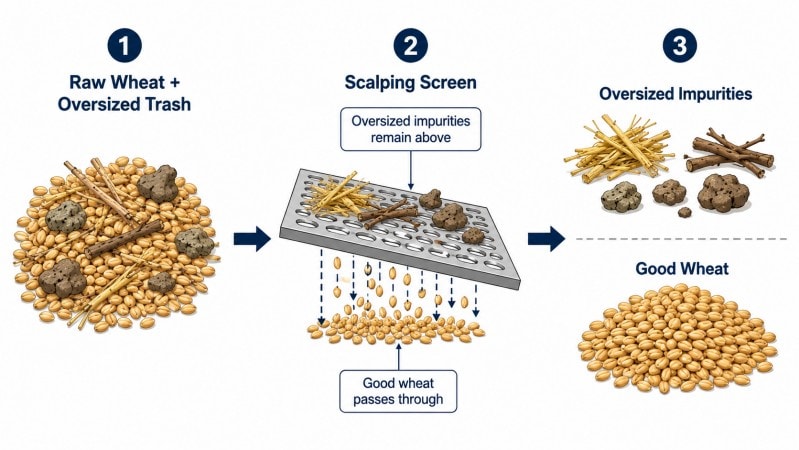
Their dimensions can vary significantly between wheat sources. Large straw or cobs are relatively easy to separate, while smaller compacted lumps may sit much closer to the required separation boundary.
Where possible, measure the difficult contaminants rather than describing them only as “large impurities.”
Find a Practical Separation Point
The selected opening should be large enough for acceptable wheat to pass freely, but small enough to retain the target oversized material.
The goal is not to use the smallest possible perforation. It is to find a practical separation point that provides the required cleaning result without unnecessarily restricting grain flow.
Select the scalping sieve from both the acceptable wheat size range and the size of the target oversized impurities—not from wheat dimensions alone.
Why Wheat Size Alone Is Not Enough
A real wheat project shows why the impurity profile can change the final screen recommendation.
Project Experience: Impurities Changed the Selection
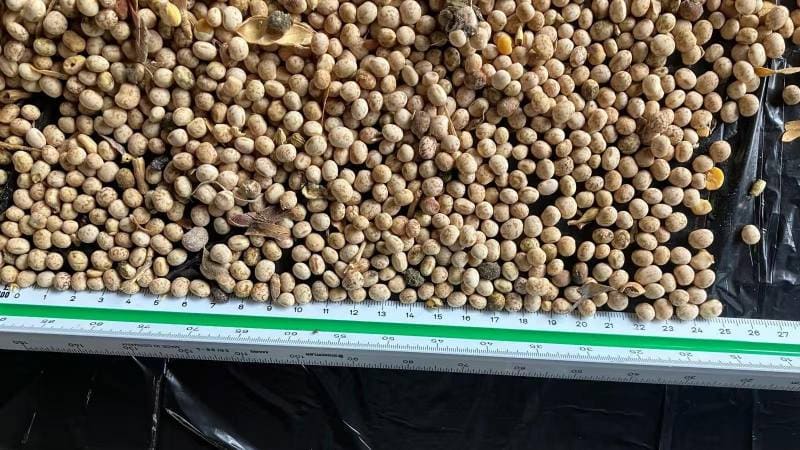
For one Ethiopian project, the initial discussion focused mainly on wheat size. Based only on grain dimensions, a relatively larger opening could have appeared suitable.
After reviewing the customer’s raw-material photos and impurity samples, we found a mixture of coarse contaminants. The most important factor was the presence of mouldy grain lumps, because some were much closer to the intended separation boundary than the larger trash.
That changed the final recommendation.
Final Screen Configuration
For this rotary drum scalper, we recommended:
- front half: 16 mm perforation;
- rear half: 14 mm perforation.
The first section allowed efficient grain passage, while the second provided tighter control over the remaining oversized material.
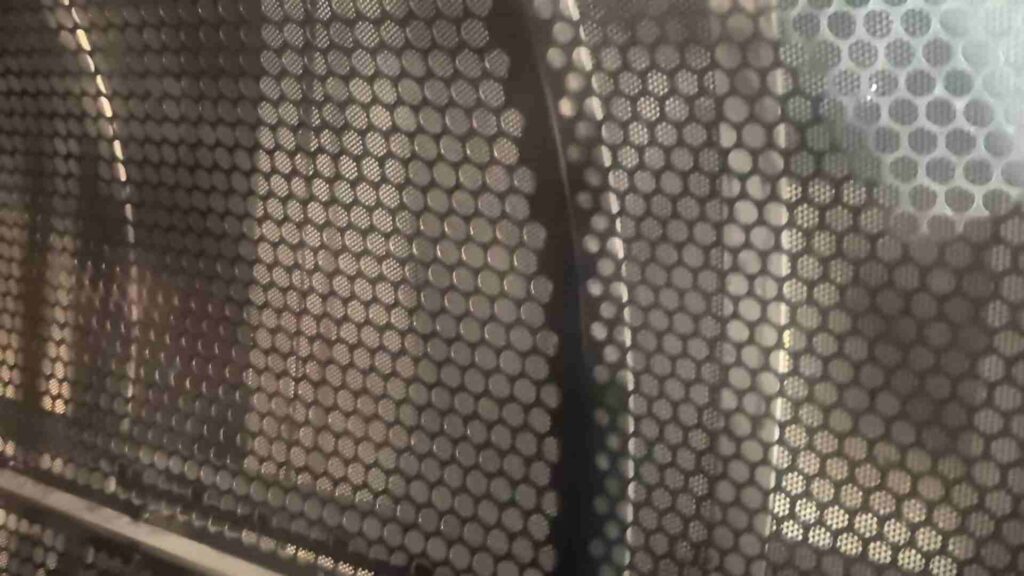
This 16 mm + 14 mm configuration is not a standard setting for all wheat. It was selected for this specific raw material and cleaning target.
The practical lesson is that photos, measurements, and representative samples can materially change a sieve recommendation. A standard wheat-size chart cannot show the impurity conditions of an individual project.
How Sieve Size Affects Scalper Capacity
Sieve opening affects both separation and throughput.
Smaller Openings Can Restrict Grain Flow
When perforations become smaller, the available open area generally decreases. Under heavier loading, wheat may take longer to pass through the screen.
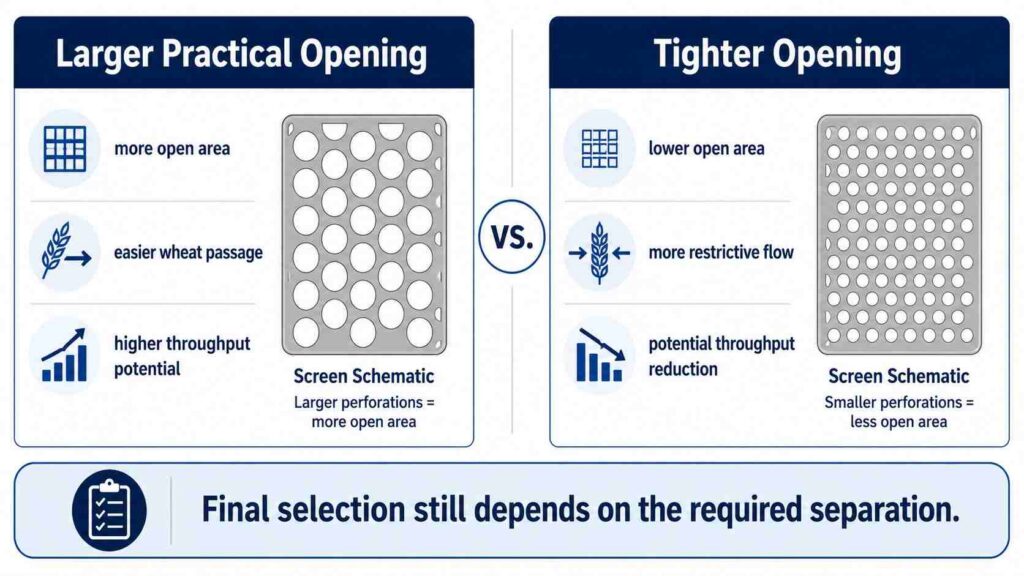
This can reduce practical throughput.
In our projects, some customers initially prefer smaller openings because they want to prevent more impurities from passing with the wheat. We explain the trade-off before finalizing the screen.
A tighter opening may improve control of certain contaminants, but it can also reduce screening efficiency.
The goal is to use the largest practical opening that still achieves the required separation.
High Impurity Levels Also Reduce Practical Capacity
Sieve size is not the only factor.
When incoming wheat contains a high percentage of coarse trash, oversized material occupies more of the screen surface before reaching the discharge end. This leaves less effective area available for grain passage.
The same scalper and screen can therefore achieve different throughput with different wheat batches.
For this reason, rated capacity should not be treated as usable capacity under every raw-material condition.
Why Feed Rate and Screen Area Matter
A correctly selected sieve can still perform poorly if the screen is overloaded.
Average TPH Can Hide Peak Loading
Customers often specify an average capacity such as 30 or 50 TPH. During truck unloading or harvest intake, however, the instantaneous flow can be much higher.
If wheat enters faster than the available screen area can handle it, the material layer becomes deeper and separation becomes less efficient.
Stable feeding helps keep the load more uniform.
Depending on the plant layout, feeding may be provided by a belt conveyor, bucket elevator, or controlled hopper.
The feeding system should match the practical capacity of the scalper rather than simply deliver the highest possible flow.
Screen Area Matters as Much as Hole Size
Two scalpers using the same perforation size can have different throughput.
Performance also depends on:
- total screening area;
- percentage of open area;
- screen length and diameter;
- material distribution;
- operating load.
This is why perforation size should never be evaluated in isolation.
For applications with highly variable intake or heavy contamination, some operating margin is useful. The required margin should be based on actual site conditions rather than applying one fixed percentage to every project.
Wheat Scalping Sieve Selection Checklist and Common Mistakes
Before confirming the final screen, work through the following checks. Each step also helps avoid a common sizing mistake.
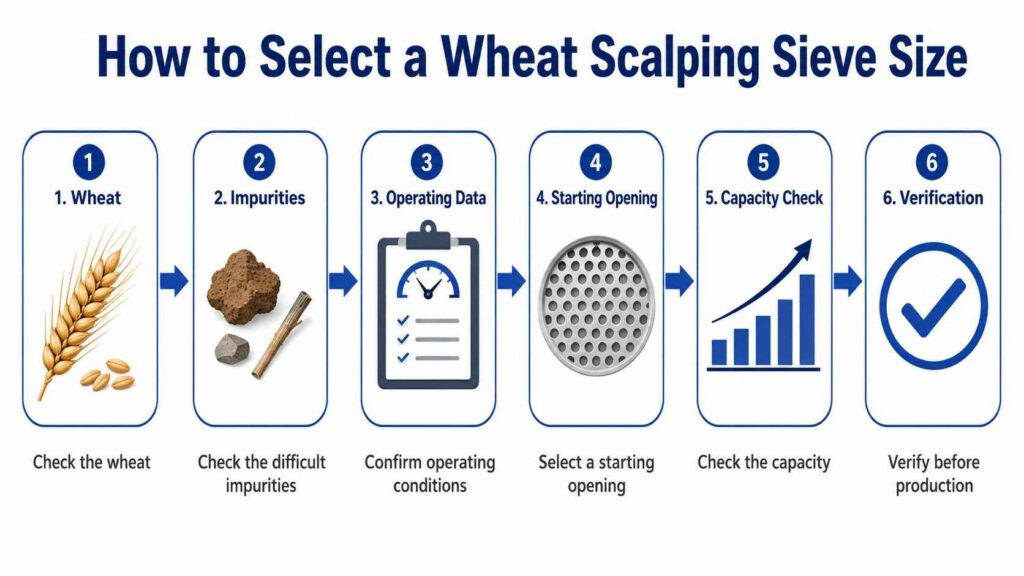
Step 1: Check the Wheat
Confirm:
- acceptable kernel size range;
- larger sound kernels that must pass;
- moisture;
- general crop condition.
Do not select the sieve from average wheat size alone. The full range of acceptable kernels needs to be considered.
Step 2: Check the Difficult Impurities
Identify the oversized material that must be retained.
Measure contaminants close to the expected separation boundary, especially compacted lumps, clods, or other irregular material.
A common mistake is describing the raw material only as “wheat with large impurities” without showing their actual size.
Step 3: Confirm Operating Conditions
Record:
- normal throughput;
- peak throughput;
- approximate impurity percentage;
- feeding method.
Do not size the screen around average TPH only. Peak intake and high-trash conditions can place a much heavier load on the scalper.
Step 4: Select a Starting Opening
Choose a perforation that gives acceptable wheat enough clearance to pass while retaining the required coarse contaminants.
Avoid choosing an unnecessarily small opening unless the cleaning target requires it.
Step 5: Check the Capacity
Confirm that the selected screen and machine provide enough effective screening area under the expected impurity load and peak feed rate.
Do not evaluate perforation size in isolation. Screen area, open-area percentage, machine dimensions, and material distribution also affect performance.
Step 6: Verify Before Production
When the separation boundary is uncertain, review representative photos, measurements, or material samples before manufacturing the final screen.
A material test is especially useful when good wheat and unwanted material are relatively close in size.
This final check helps avoid one of the most common mistakes: confirming the screen before the actual material has been properly evaluated.
Frequently Asked Questions About Wheat Scalping Sieve Selection
Should I Test My Wheat Before Finalizing the Sieve?
Not always. Testing is most useful when good wheat and unwanted material are close in size, the raw material varies significantly, or grain loss must be tightly controlled.
How Can I Judge Whether a Supplier’s Sieve Recommendation Is Reliable?
Ask how the opening was selected. A reliable recommendation should be based on your actual wheat, impurity profile, throughput, and operating conditions—not a generic “standard wheat sieve size.”
Should I Order Spare or Alternative Screens?
It can be useful if you process wheat from different origins, seasons, or suppliers. Different batches may have different impurity profiles, so an alternative screen can provide more operating flexibility and reduce downtime.
Do I Need to Change the Screen for Every Wheat Batch?
Usually not. If wheat size, impurity profile, and cleaning target remain similar, the same screen may continue to work well. Change it only when the separation requirement changes materially.
What Should Be Confirmed Before Screen Production?
Confirm the perforation size, screen arrangement, expected capacity, raw-material condition, and key impurities. Keeping these details in the technical confirmation helps avoid misunderstandings later.
What If the Installed Screen Does Not Perform as Expected?
Check the actual feed rate, impurity level, moisture, and raw-material condition first. Poor performance is not always caused by the sieve opening; overfeeding or unusually heavy contamination can produce similar symptoms.
Conclusion
A wheat scalping sieve should be selected from the actual separation requirement rather than from a generic number in a chart.
Define the wheat that needs to pass, measure the difficult oversized impurities, and confirm how the material will be fed under real operating conditions. If the separation boundary is uncertain, verify it before producing the final screen.
This approach helps avoid a sieve that appears suitable on paper but restricts throughput or fails to remove the intended impurities in operation.
Need Help Confirming Your Wheat Scalping Sieve Size?
If you are planning a wheat scalping project, contact SK Grain Cleaner with your raw-material photos, impurity dimensions, moisture, normal and peak throughput, and feeding information.
Our technical team can use these details to evaluate a suitable sieve opening and Rotary Screen Precleaner configuration for your actual cleaning target.